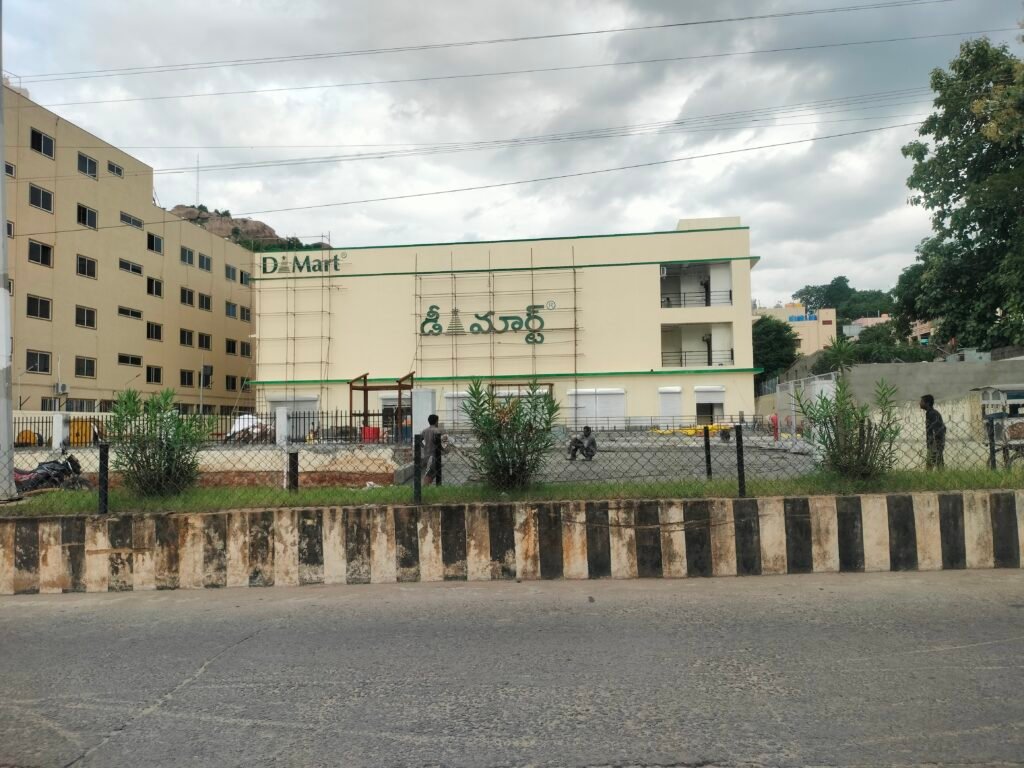
The opening of a large organised retailer like D-Mart in a town or locality can have a range of effects—some positive, some negative—on local businesses, markets, consumers, and the broader economy. The extent of these effects depends on many factors (location, consumer behaviour, regulatory environment etc.). Here’s a breakdown of potential impacts, with examples and considerations, particularly in an Indian context. If you want, I can also model how this might play out in your town (chittoor and tirupati).
It’s not always that all small sellers lose out heavily; the impact depends on:
Putting it all together, here are plausible effects one might see in a locality after a new D-Mart opens:
| Positive outcomes | Negative outcomes |
|---|---|
| Prices for many packaged & non-perishable goods decrease for consumers. Better deals and discounts attract those who wish to buy in bulk. | Local kirana shops lose daily foot traffic for goods that are cheaper in the big store. Some of these shops may see reduced revenue, possibly closure if margins cannot sustain. |
| Employment rises: jobs in the store, and in related supply & logistics. | Some smaller shops may cut staff or reduce hours to reduce costs. |
| Improved supply chain: more consistent supply, possibility of local sourcing for some products. | Pressure on small suppliers if they cannot meet packaging / volume / quality / timely delivery requirements. |
| Increased infrastructure spending (better roads, utilities). Neighbourhood of D-Mart becomes more attractive, possibly increasing property values. | Rents for commercial property in vicinity may increase, making small shops’ leases more costly. |
| Ancillary shops (restaurants, stationery, small service providers) may get spillover footfall due to people coming to D-Mart. | Local markets for fresh produce, local vendors or open-air sellers may lose business if D-Mart sells some of these items or offers substitutes. Also, local unique or artisanal produce may not be carried. |